4 Major UK CyberAttacks and the Year Isn’t Over Yet

Cyberattacks have become the new normal, but 2025 has been particularly brutal for UK businesses. We’re not even through the year, and already four major incidents have shaken industries, disrupted communities, and forced us to think harder about how we deal with cyber threats.
Here’s what’s happened so far and what we can learn from it.
1. KNP A 150-Year Legacy Cut Short
KNP was hit by ransomware that started with a weak one-week password. That small gap in security opened the door for attackers, who were then able to lock the company’s systems for a week. The downtime was so damaging that the business, which had been around for 150 years, ultimately collapsed.
It’s a sobering reminder that for some companies, especially smaller or less digitally prepared ones, a single cyberattack isn’t just a headache, it’s an existential threat. Ransomware doesn’t just steal data; it steals time. And in business, lost time can quickly mean lost survival.
2. Jaguar Land Rover Factories Standing Still
Jaguar Land Rover has seen production grind to a halt for over two weeks following a cyber incident. Dealers can’t place new orders, spare parts are drying up, and local suppliers are feeling the pinch. Even nearby shops are reporting less foot traffic as factory workers stay home.
This case shows how deeply connected modern businesses are. A single breach doesn’t just stop one company; it ripples out to suppliers, workers, and even the high street. Economists often talk about the multiplier effect of industries like the automotive industry. Here we’re seeing the dark side of that equation.
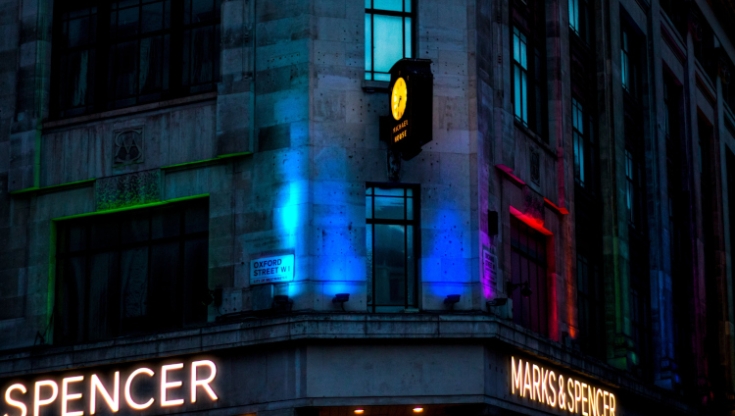
3. Marks & Spencer Retail Paralysis
In May, Marks & Spencer was hit with ransomware that brought down its networks and even disabled in-store card payments. Its e-commerce platform was offline for over four months. Only now is it starting to function again.
For retailers, customer trust is everything. Long-term outages not only cut into sales but also drive shoppers to competitors. In today’s retail landscape, resilience isn’t just about keeping the tills running; it’s about safeguarding reputation.
4. Co-op A Different Outcome
At almost the same time as M&S, the Co-op faced a similar ransomware attack. CEO Shirine Khoury-Haq recalled the strain on her IT team during the crisis. But unlike M&S, the Co-op had prepared a response plan. That planning meant downtime was shorter, recovery was faster, and customer disruption was reduced.
This highlights a crucial point. Preparedness doesn’t stop attacks from happening, but it does decide how bad the damage will be.
What We’re Learning from 2025’s Cyber Landscape
These incidents are more than just isolated events. Taken together, they paint a picture of what UK businesses are facing in the current cyber threat landscape and why old approaches no longer work. Six clear lessons stand out.
Preparation vs. panic
Companies that invest in planning, simulation exercises, and recovery protocols recover faster. Co-op had a roadmap, which limited the fallout. M&S did not, and its four-month e-commerce shutdown shows the difference in outcome. A response plan doesn’t just save time; it saves revenue, reputation, and jobs.
Reputation risk is real
Cyberattacks don’t just break systems; they break trust. Customers are quick to switch when they can’t shop, book, or pay. Once trust is lost, it’s expensive and time-consuming to rebuild. This is why cybersecurity should be treated as a customer experience issue, not just an IT concern.
The domino effect matters
JLR’s experience shows that when one big player goes down, the impact spreads far beyond the company itself. Local suppliers, small businesses, and even nearby shops felt the pain. Cyber incidents are rarely contained; they spill over into entire supply chains and communities. For industries that depend on just-in-time logistics, the ripple effect is even sharper.
Cybersecurity is business resilience
These attacks underline a bigger truth. Cybersecurity isn’t a technical side issue anymore; it's core to business continuity. Boards and executives need to treat it like any other critical risk, on par with financial stability, compliance, and physical safety. Investment in security is no longer optional; it’s a requirement for survival.
Password security is now a life skill
The KNP attack showed how something as basic as a weak one-week password can topple a company that had survived for more than a century. Weak, reused, or stolen credentials remain one of the most common entry points for attackers. That means password security is no longer just an IT policy; it’s a life skill. Whether you’re a CEO, a factory worker, or a student, using strong, unique passwords and enabling multi-factor authentication could be the difference between a minor scare and a major crisis. Just like locking your front door at night, managing your digital keys is now part of everyday safety.
The evolving threat landscape
Perhaps the most worrying trend is how these attacks are becoming more sophisticated and more disruptive. What once might have caused a few hours of inconvenience now has the power to bring down a 150-year-old company or paralyze a national retailer. Threat actors are targeting not just data, but the very operations that businesses rely on.
As 2025 continues, the question isn’t whether we’ll see more attacks, but how prepared companies will be when it’s their turn in the spotlight.